The Purpose of Paul’s Letter to Galatians Believers

During his first missionary journey (46-48 A.D.), Paul together with…


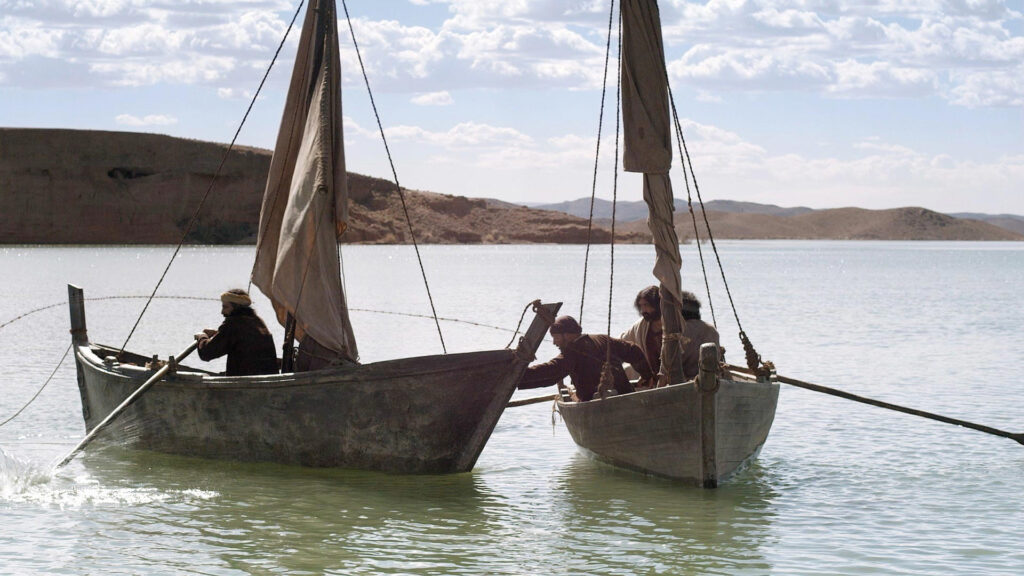
During his first missionary journey (46-48 A.D.), Paul together with…

1. It Was A Tutor For The Jews “Therefore the…

The closing words of the Old Testament speak of a…

Examining: 1 John 5:7 passage Does this verse supports Catholic Trinity Doctrine:…

In 168 B.C., Antiochus Epiphanes, trusting in a Pantheon of…

When we look at the calendar today, it’s easy to…

But everything changed in AD 41. After the shocking assassination of his nephew, Emperor Gaius (also known as Caligula), Claudius found himself suddenly—and unexpectedly—on the throne. Despite his unconventional background, he proved to be a wise and capable ruler in many ways.

In the tumultuous year of A.D. 202, under the stern decree of Emperor Septimius Severus, a storm of persecution raged against Christians, particularly in North Africa. Yet, amidst this darkness, a radiant spirit emerged in Carthage: Perpetua, a young noblewoman, barely 22, with an infant son still at her breast.

What followed was an unspeakable horror: many of our Christian brothers and sisters were burned alive. It was during this terrifying persecution that the great apostles, Peter and Paul, are believed to have met their martyrdom, giving their lives for the Gospel.

Pliny was a civil servant who served as governor of Bithynia, in the north of Asia Minor (modern Turkey), from 111-113 AD. Here he met Christians for the first time and was not sure how they should be dealt with. So he wrote the following letter to Emperor Trajan reporting what he had done so far and asking for guidance. Trajan’s more succinct answer is also included below.